
SERVICES FOR MEN
From husbands and fathers to sons and brothers, we provide a trusted clinical home for the entire family
Holistic Care for the Whole Family
Bliss Chelsea was established as a centre of excellence in women’s health, built on clinical expertise, innovation, and personalised care. As our practice evolved, so did our understanding of the importance of supporting the health of the entire family. Today, we proudly extend our specialised services to men, delivering the same gold-standard, evidence-based approach across every stage of life.
Our philosophy remains uncompromising: refined clinical care, delivered with precision, discretion, and a deep respect for individual needs.
Men’s Health at Bliss Chelsea
Our men’s clinic offers a comprehensive, holistic approach to male health and wellbeing. Designed to address both functional concerns and long-term vitality, our services combine advanced clinical techniques with integrative therapies in a calm, professional environment.
Men’s services include:
Specialised Pelvic Floor Therapy, incorporating bladder retraining, neuromuscular re-education, respiratory retraining, manual therapy, myofascial release, and real-time ultrasound biofeedback
Men’s Hair Loss Assessment & Treatment, guided by comprehensive clinical evaluation and personalised care pathways
Advanced Scar Management, utilising evidence-based techniques to restore tissue mobility, function, and comfort
Reflexology, supporting systemic balance, recovery, and optimal performance
All care plans are informed by current clinical research and meticulously tailored to your individual presentation, goals, and lifestyle.

Men's Pelvic Health Physiotherapy
Specialist, evidence-based treatment for pelvic health conditions in a confidential, professional environment
Men’s Pelvic Health Physiotherapy is a specialised clinical field dedicated to the assessment and treatment of the male pelvic floor. While these concerns are often kept private, pelvic floor dysfunction is remarkably common and, more importantly, highly treatable.
Beyond Age & Illness Pelvic health issues are not a simple byproduct of age or infirmity. In fact, we frequently treat high-level athletes, such as runners and cyclists, whose intensive training can lead to pelvic floor overactivity or tightness.
The Path Forward The majority of these conditions can be significantly improved or completely resolved through specialist physiotherapy. At Bliss Chelsea, we provide expert physiotherapy for male pelvic health in a confidential clinical setting, delivering the same world-class standard of care that defines our practice.
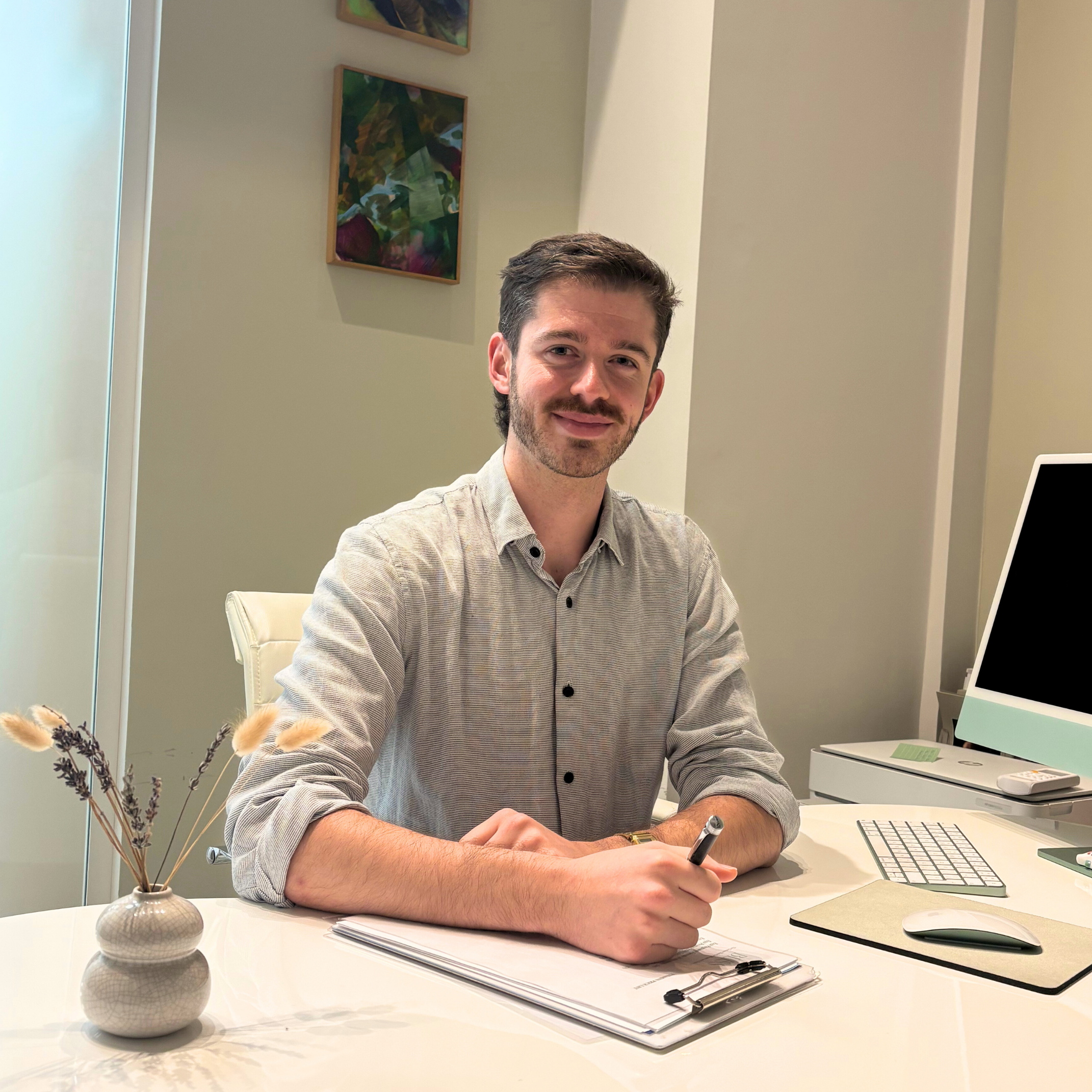
Our highly specialised pelvic health physiotherapist, George Brassil, combines advanced clinical expertise with a deep understanding of the physical and psychological impact these conditions can have on your quality of life, relationships, and professional performance. George's practice is defined by clinical excellence and a truly holistic approach that integrates physical, emotional, and lifestyle factors.
Conditions we treat
Post-Prostatectomy Incontinence
Urinary leakage following prostate surgery is common but highly treatable. Our targeted pelvic floor rehabilitation programme helps restore continence control. Evidence demonstrates that pre-operative physiotherapy can reduce the time to regain bladder control by half, while post-operative physiotherapy significantly improves continence outcomes, optimizes scar tissue management, facilitates return to work and normal exercise, and enhances sexual function recovery.
Chronic Pelvic Pain Syndrome
Persistent pain in the pelvic region, often inadequately diagnosed or managed due to lack of specialist care. We address the muscular, neural, and functional factors contributing to chronic pain through evidence-based manual therapy and progressive rehabilitation protocols, treating the whole person, not just symptoms.
Prostatitis & Chronic Prostatitis/Chronic Pelvic Pain Syndrome (CP/CPPS)
Prostatitis encompasses inflammation of the prostate gland causing pain, urinary symptoms, and pelvic discomfort. The most common form is Chronic Prostatitis/Chronic Pelvic Pain Syndrome (CP/CPPS), also known as non-bacterial prostatitis, which accounts for approximately 90% of prostatitis cases. Unlike bacterial prostatitis, CP/CPPS is not caused by infection but rather by pelvic floor muscle dysfunction, inflammation, and nerve sensitisation.
Our treatment approach
Physiotherapy plays a crucial role in managing prostatitis and CP/CPPS by addressing the underlying muscular tension and dysfunction.
Treatment includes specialized manual therapy to release myofascial trigger points, pelvic floor relaxation techniques, internal muscle work, therapeutic exercise, and patient education on pain management strategies.
Many men experience significant symptom relief through a structured physiotherapy programme combined with lifestyle modifications and, where appropriate, complementary approaches such as acupuncture.
At BLISS, throughout our services we believe that knowledge, clarity, and continuity are the foundations of exceptional care: ensuring that you receive the attention, expertise, and peace of mind you deserve.
Clinical Context
These conditions are far more prevalent than commonly recognised. Research indicates that up to 25% of men experience some form of pelvic floor dysfunction during their lifetime, yet treatment remains significantly underutilised due to limited awareness and lack of specialist care.
At BLISS Chelsea, we have developed a clinical environment where these concerns can be discussed openly with a specialist who possesses both advanced clinical expertise and an understanding of the impact these conditions have on all aspects of life.
-
When pelvic floor dysfunction contributes to erectile difficulties, physiotherapy can improve blood flow, muscle tone, neuromuscular function, and crucially, pelvic floor muscle coordination.
Poor coordination of pelvic floor muscles can impair the vascular mechanisms necessary for achieving and maintaining erections.
Through targeted exercises using real-time ultrasound biofeedback, we help restore proper muscle timing, strength, and control.
We work collaboratively with your medical team to deliver comprehensive, multidisciplinary care focused on achieving meaningful, lasting improvements.
-
Pelvic floor muscle dysfunction and hypertonicity can contribute to premature ejaculation.
Through specialised assessment and treatment including pelvic floor relaxation techniques, coordination training, and behavioral strategies, physiotherapy can help improve ejaculatory control and sexual confidence.
-
Chronic testicular pain or orchalgia can be debilitating and is often related to pelvic floor muscle tension, nerve irritation, or referred pain from other pelvic structures.
When medical causes have been ruled out, physiotherapy addressing myofascial trigger points, nerve mobility, and pelvic floor dysfunction can provide significant relief.
-
Weakness, hypertonicity, or poor coordination of pelvic floor muscles affecting bladder control, bowel function, or sexual health.
Pelvic floor muscle coordination is essential for optimal function - muscles must activate at the right time, with the right intensity, and in the correct sequence.
Through detailed assessment using real-time ultrasound biofeedback, we identify the specific dysfunction and develop an individualised treatment plan targeting your particular presentation.
This visual feedback allows you to see your muscle activity and learn to improve coordination, strength, and relaxation as needed.
-
Neuropathic pain affecting the pudendal nerve, causing burning, tingling, numbness, or sharp pain in the pelvic region.
Our specialised approach includes manual therapy, nerve mobilisation techniques, postural correction, and activity modification to reduce nerve compression and irritation.
-
Groin pain, hip discomfort, or pelvic instability affecting sports performance and training capacity.
Common in runners, cyclists, and athletes involved in high-impact or rotational activities.
We address the biomechanical factors and muscle imbalances contributing to athletic pelvic pain.
-
Bladder pain syndrome, interstitial cystitis, or chronic urinary urgency and frequency.
We employ bladder retraining protocols, pelvic floor relaxation techniques, and lifestyle modifications to reduce symptoms and restore normal bladder function.
-
Constipation, incomplete evacuation, fecal urgency, or fecal incontinence related to pelvic floor dysfunction.
We address the coordination and strength deficits affecting bowel function through specialised therapy, biofeedback training, and patient education.
-
Structured recovery support following a range of urological and colorectal procedures including prostate surgery, HoLEP (Holmium Laser Enucleation of the Prostate), TURP (Transurethral Resection of the Prostate), APER (Abdominoperineal Resection), hernia repair, and other pelvic operations.
We also support patients undergoing or recovering from radiation therapy.
Early physiotherapy intervention optimises tissue healing, accelerates return to normal activities, and prevents long-term functional complications.
-
Sudden, strong urges to urinate or needing to void frequently can significantly impact daily activities and professional responsibilities. Bladder retraining combined with pelvic floor therapy can restore normal urinary patterns.
What to Expect: Your Treatment Journey
-
A comprehensive assessment in a private consultation room. We review your complete medical history, symptom presentation, functional limitations, and treatment goals through detailed discussion. This is an opportunity for open, honest conversation in a supportive environment.
-
A thorough physical examination to establish an accurate diagnosis. This includes comprehensive musculoskeletal assessment of posture, movement patterns, core stability, hip mobility, and spinal alignment, as well as respiratory assessment of breathing mechanics and diaphragm function, which are integral to pelvic floor health. Pelvic floor function is then assessed in detail.
All examination procedures are explained in advance, and consent is obtained prior to any internal assessment.
Specialised assessments may include:
Musculoskeletal assessment of lumbar spine, pelvis, hips, and lower limb biomechanics
Respiratory assessment of breathing patterns and diaphragmatic function
Digital rectal examination (DRE) with Modified Oxford Scale or Laycock assessment to evaluate pelvic floor muscle strength, endurance, and coordination
Bladder capacity measuring
Post-void residual assessment
Bladder and bowel diary analysis to track patterns and identify triggers
-
We utilise real-time pelvic floor ultrasound imaging to provide objective visualization of muscle function and coordination. This non-invasive diagnostic tool allows both clinician and patient to observe pelvic floor movement, providing valuable biofeedback during assessment and treatment.
-
We develop a tailored rehabilitation programme based on your clinical findings. This includes hands-on manual therapy, specific therapeutic exercises, ultrasound-guided biofeedback training, breathing retraining, lifestyle modifications, and clearly defined treatment milestones.
George believes in empowering patients with knowledge and practical strategies, working collaboratively to achieve meaningful, lasting improvements in health and well-being.
-
Regular treatment sessions where we monitor progress using objective measures including repeat pelvic floor ultrasounds, bladder diaries, bowel diaries, and functional assessment scores.
Your programme is adjusted based on clinical response, and manual therapy is provided as indicated.
Treatment frequency is adjusted according to your individual progress and clinical needs.
Pre-Operative & Post-Operative Physiotherapy
Pre-Operative Preparation
For patients scheduled for prostate surgery (including radical prostatectomy, HoLEP, TURP), colorectal procedures (such as APER), radiation therapy, or other pelvic operations, pre-operative physiotherapy preparation has been shown to significantly improve outcomes.
Research demonstrates that men who undergo pelvic floor physiotherapy before prostate surgery regain bladder control in half the time compared to those who begin rehabilitation only after surgery.
Pre-operative physiotherapy includes:
Assessment and optimisation of pelvic floor muscle function using ultrasound imaging and DRE Laycock assessment
Respiratory assessment and breathing optimisation
Education on post-operative exercises and expectations
Establishment of proper muscle activation patterns
Baseline measurements including bladder capacity and post-void residuals
Preparation strategies to support faster recovery
Post-Operative Rehabilitation
Post-operative physiotherapy is essential for comprehensive recovery following pelvic surgery or radiation therapy. Our structured rehabilitation programmes address multiple aspects of recovery:
Bladder Control Recovery
Targeted exercises and biofeedback training to restore continence efficiently, monitored through bladder diaries and objective measurements
Scar Tissue Management
Specialized manual therapy techniques to optimize surgical scar healing, reduce adhesions, and restore normal tissue mobility
Return to Professional Activities
Progressive rehabilitation supporting timely return to work and professional responsibilities
Exercise & Athletic Performance
Structured progression back to recreational exercise, sports, and physical activities
Sexual Function Recovery
Evidence-based interventions to support restoration of erectile function and sexual performance
Our Approach to Treatment
Evidence-Based, Person-Centred Care
We employ only clinically validated methods, including pelvic floor muscle training, real-time ultrasound biofeedback, manual therapy, bladder retraining protocols, neuromuscular re-education, respiratory retraining, and myofascial release techniques. Every intervention is supported by current research and individualised to your specific clinical presentation.
Holistic Approach Integrating Physical, Emotional, and Lifestyle Factors
We assess pelvic floor function within the broader context of whole-body mechanics and overall well-being. Drawing on George's extensive musculoskeletal and respiratory expertise, we evaluate posture, breathing mechanics, core stability, lumbopelvic control, hip mobility, diaphragm function, and psychosocial factors—all of which influence pelvic health. Our assessment examines all relevant systems to identify and address contributing factors, treating the whole person, not just symptoms.
Complementary Therapeutic Options
George has trained with the Acupuncture Association for Chartered Physiotherapists (AACP), integrating acupuncture into his treatment approach to optimize pain management and encourage deep relaxation. This complementary skill enhances his ability to support patients through chronic pain conditions, offering a gentle yet effective option alongside traditional physiotherapy techniques.
Advanced Diagnostic Technology
Real-time pelvic floor ultrasound imaging provides objective assessment of muscle function, enabling precise diagnosis and targeted treatment. This technology also serves as a powerful biofeedback tool, allowing you to visualize muscle activity and refine your technique during rehabilitation exercises.
Specialist Expertise
George's specialist interests include pelvic pain, post-surgical rehabilitation, and supporting patients through life transitions with sensitivity and clinical precision. His diverse clinical experience across musculoskeletal and respiratory systems has cultivated a deep understanding of the interconnected nature of physical health and reinforced his commitment to treating the whole person.
Get in Touch
Take the First Step
Effective treatment for pelvic health conditions is available. Expert, confidential care delivered in a professional clinical environment by a highly specialised physiotherapist dedicated to improving your quality of life.
Book a Consultation, fill the adjacent form or call us at 073 5168 7555